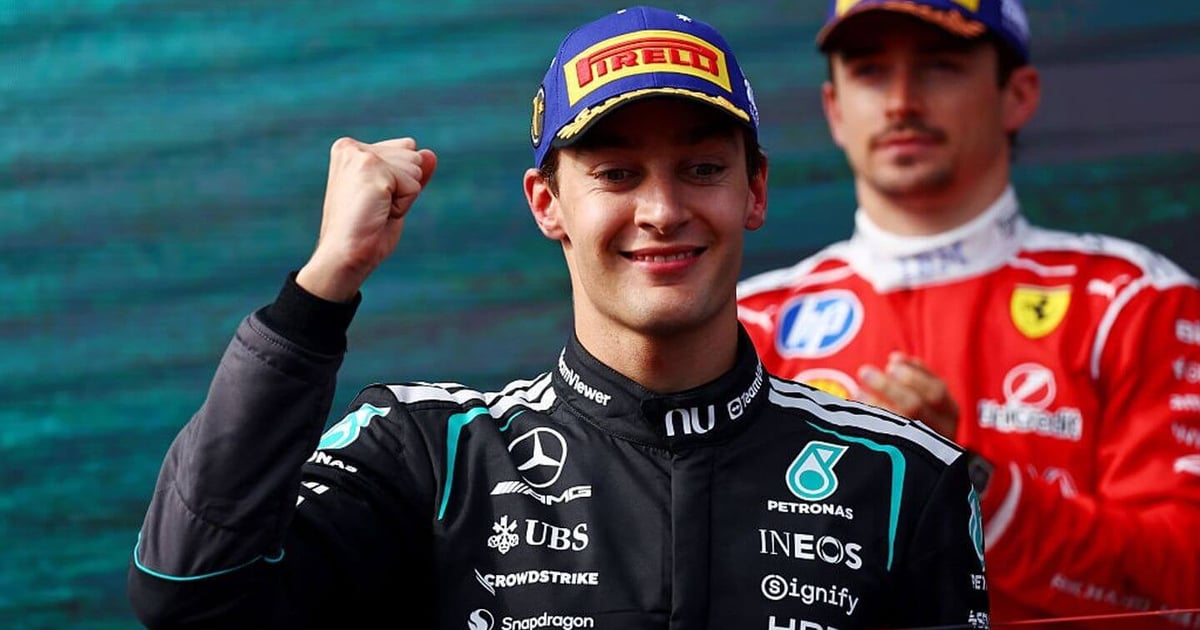
From Pole to Podium: Russell Leads Mercedes 1-2 in Australian GP
The roar of engines, the scent of burning rubber, and the electrifying tension of a new Formula 1 season burst into life at the 2026 Australian Grand Prix. Melbourne’s Albert Park circuit witnessed a masterclass from George Russell, who steered his Mercedes to a sensational victory, culminating a near-perfect weekend. Adding to the jubilation for the Silver Arrows, his teammate Kimi Antonelli secured a remarkable second place, sealing a dominant 1-2 finish that sent a clear statement to the paddock. This opening round, under the radically new regulations, proved to be a thrilling spectacle, hinting at a season of intense competition and unpredictable outcomes.
A New Era Dawns: The 2026 F1 Regulations Unveiled
The 2026 season was always slated to be a game-changer, with significant regulatory overhauls designed to reshape the cars and, crucially, the racing dynamics. The Australian Grand Prix was the first real test, and it delivered on the promise of frenetic combat. From the outset, it was clear that adaptability would be key. Ferrari, in particular, appeared to hit the ground running, with Charles Leclerc showcasing formidable pace. In the opening laps, Leclerc seized the lead from pole-sitter Russell, while a resurgent Lewis Hamilton, starting from seventh, dramatically catapulted himself into third, indicating that the new machines indeed encouraged closer wheel-to-wheel action.
These regulatory shifts weren't just about speed; they were about creating a more level playing field and allowing drivers to push harder for longer. The visual changes to the cars were striking, but it was their behavior on track that truly captivated. The ability for drivers to follow closely, combined with nuanced energy management strategies, set the stage for a season where driver skill and tactical acumen will be paramount. For a deeper dive into how these regulations shaped the thrilling opener, explore
F1 Thriller: Russell Secures Victory Amidst New Regulations.
Pole to Podium: Russell's Masterclass in Melbourne
George Russell's performance in Australia was nothing short of exceptional. Having secured pole position, he demonstrated an unwavering focus throughout the challenging race. Despite losing the lead to Leclerc in a breathtaking opening sequence, Russell refused to be deterred. The early phase of the race was a high-octane duel between Russell and Leclerc, with the lead changing hands multiple times. This head-to-head battle was a highlight, showcasing the raw talent of both drivers navigating their new-generation machinery. At one point, even Lewis Hamilton loomed large, threatening to join the party and potentially snatch the lead from both protagonists.
The turning point came amidst unforeseen circumstances. The retirements of Isack Hadjar (Red Bull) and Valtteri Bottas (Cadillac) prompted a Virtual Safety Car (VSC) period. This moment proved to be a strategic crossroads. While Ferrari opted to keep their drivers, Leclerc and Hamilton, out on track, Mercedes made the decisive call to pit both Russell and Antonelli. This bold move paid dividends. As Ferrari eventually had to make their stops, the Mercedes duo had gained track position, a critical advantage that Russell expertly managed to the checkered flag. The sheer joy for Mercedes was palpable as *russell vence f1*, not just claiming victory but leading a triumphant 1-2 finish.
The Strategic Gamble: Ferrari vs. Mercedes in the Pits
The VSC period was a classic example of F1's strategic chess match. Ferrari's decision to extend their stint and try to build a gap, hoping for a quicker subsequent stop or a later full Safety Car, ultimately backfired. Their gamble reflected a belief that their pace advantage might allow them to recover. However, Mercedes' quick thinking and flawless execution of a double stack pit stop under the VSC allowed Russell and Antonelli to leapfrog the Ferraris. This strategic masterstroke underlined Mercedes' readiness to capitalize on every opportunity and their meticulous preparation under the new rules. It wasn't just *russell vence f1* through pure pace, but through superior strategy and teamwork. This pivotal moment underscores the importance of quick decision-making and efficient pit crew performance in modern Formula 1.
Beyond the Top Two: High-Stakes Battles Across the Grid
While the Mercedes 1-2 dominated the headlines, the Australian Grand Prix offered plenty of other compelling narratives. Charles Leclerc, despite the disappointment of losing the lead, held on to secure a commendable third place, ensuring Ferrari started their campaign with a podium finish. His consistent pace suggests Ferrari will be a formidable contender throughout the season.
Further down the order, the battle for championship points was equally intense. Making a significant mark was Gabriel Bortoleto, who, in his debut with Audi, secured a respectable ninth place, earning valuable points for the incoming manufacturer. This bodes well for Audi's ambitious entry into the sport.
The reigning champion, Lando Norris of McLaren, found himself in a fierce duel with the formidable four-time champion Max Verstappen. Verstappen, driving his Red Bull, launched an impressive recovery drive and battled Norris tooth and nail for fifth place. In a testament to his defensive skills, Norris managed to hold off the charging Dutchman, securing crucial points for McLaren. This thrilling encounter highlighted the depth of talent on the grid and the relentless competition that defines F1.
However, not every driver had a weekend to remember. Local hero Oscar Piastri, McLaren's young sensation and third-place finisher in last season's championship, faced an unexpected and agonizing exit before the race even began. On his formation lap, in a truly bizarre incident, Piastri lost control of his car and crashed into the wall, causing significant damage. This unfortunate misjudgment resulted in his disqualification from his home Grand Prix, a heartbreaking start to what promised to be a triumphant return to Albert Park. The incident served as a stark reminder of the fine margins and unforgiving nature of Formula 1. To relive the full drama and dominant performance, check out
Russell Conquers Australia: Mercedes Dominates 2026 F1 Opener.
Lessons Learned and What's Next for the Season
The 2026 Australian Grand Prix was more than just a race; it was a powerful statement about the new era of Formula 1. The immediate takeaway is that the new regulations are working, delivering the promised close racing and strategic complexity. Mercedes' comprehensive victory, with Russell clinching the win and Antonelli securing the 1-2, positions them as strong early favorites. However, Ferrari’s raw pace and Red Bull’s fighting spirit, even with a recovering Verstappen, indicate that the championship fight will be anything but a walkover.
Teams will now meticulously analyze the data from Melbourne, understanding how their new cars performed under race conditions, identifying areas for improvement, and fine-tuning their strategies. Fans can look forward to a season where every practice session, every qualifying lap, and every strategic call could be the difference between victory and defeat. The "frenetic combat" observed in Australia is likely just a taste of what's to come, ensuring the 2026 Formula 1 season will be an exhilarating journey for all. Keep an eye on how different teams adapt their car philosophies and race day tactics as the season progresses – the early advantage seen here might not hold forever!
Conclusion
The 2026 Formula 1 season exploded into action with a truly unforgettable Australian Grand Prix. George Russell's masterful drive to victory, coupled with Kimi Antonelli's stellar second-place finish, delivered a dominant Mercedes 1-2 that has instantly reshaped championship expectations. This thrilling curtain-raiser, characterized by intense on-track battles, strategic gambles, and unexpected drama, firmly established that *russell vence f1* and Mercedes is a force to be reckoned with. With Ferrari showing strong early pace and other teams demonstrating their potential, the stage is set for an epic season filled with twists, turns, and exhilarating racing under the new regulations. The message from Melbourne is clear: F1 in 2026 is going to be unmissable.